
HVAC Installation Systems Setup and Airflow Engineering in Chino Hills, CA
Climate Control System Setup and Air Distribution Planning
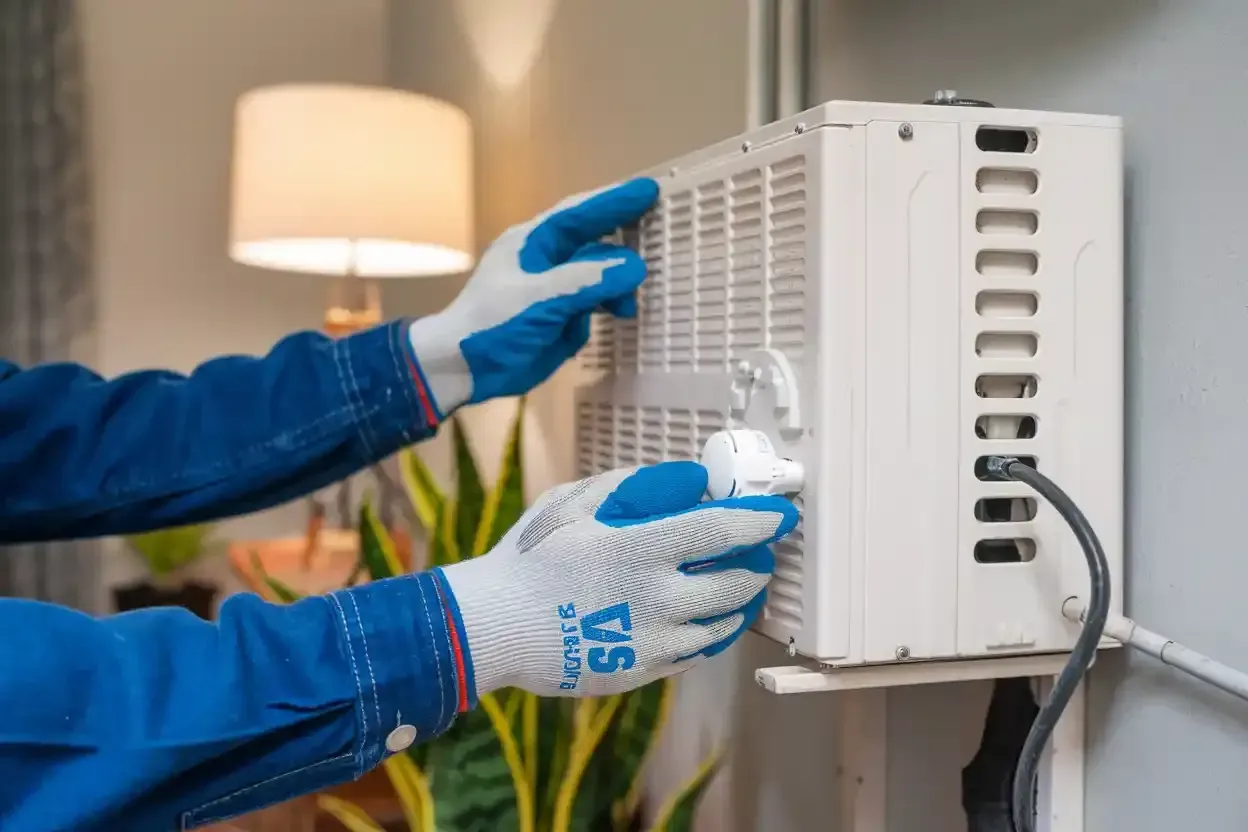
HVAC Installation Process and System Integration Overview
HVAC installation involves setting up heating, ventilation, and air circulation systems designed to regulate indoor air conditions through controlled temperature and airflow movement. The process begins with system planning where airflow requirements are assessed based on structure layout and usage needs in Chino Hills, CA. After evaluation, duct pathways are designed to ensure balanced air distribution across all connected zones. Equipment placement is then determined to support efficient air intake and output flow.
The installation stage includes mounting indoor and outdoor units, connecting refrigerant lines, sealing duct joints, and configuring electrical connections for system control. Air ducts are tested for leakage, and airflow calibration is performed to maintain consistent distribution. Thermostatic controls are installed to regulate temperature cycles, ensuring steady operation under varying conditions. System pressure levels are checked, and refrigerant is charged according to manufacturer specifications.
Final commissioning involves operational testing, airflow balancing, and safety inspection to confirm system stability. Adjustments are made to optimize energy use and maintain proper ventilation cycles.
Tai Chi Heating & Air Conditioning ensures each installation process aligns with performance requirements and environmental conditions in Chino Hills, CA, with direct assistance available at
(626) 720-5752.
System Engineering Elements and Air Regulation Components
These service elements support structured airflow management and reliable system performance across different installation environments. Proper setup improves energy stability, reduces strain on components, and supports long-term function. The process focuses on airflow design, system connection, and balanced operation to maintain steady output without interruption. Poor installation can cause uneven temperature control and reduced efficiency over time.
- 🔧 Duct Network Layout Design: Structured duct pathways support balanced air movement throughout connected areas
- ❄️ Refrigerant Line Configuration: Proper connection ensures stable cooling and heat transfer efficiency
- 🌬️ Airflow Balancing Setup: Adjustments help maintain consistent distribution and temperature control
- ⚙️ Control System Integration: Thermostat linking allows precise temperature management functions
- 🔌 Electrical And Safety Checks: Wiring inspection ensures safe operation and system reliability
HVAC installation aligns system design with airflow needs and temperature regulation. Each step, from duct placement to final testing, ensures balanced operation and consistent performance. Components are arranged for compatibility and smooth circulation, with final adjustments improving airflow consistency and control response. This approach supports long-term reliability in Chino Hills, CA. For coordination and inquiries, contact
(626) 720-5752
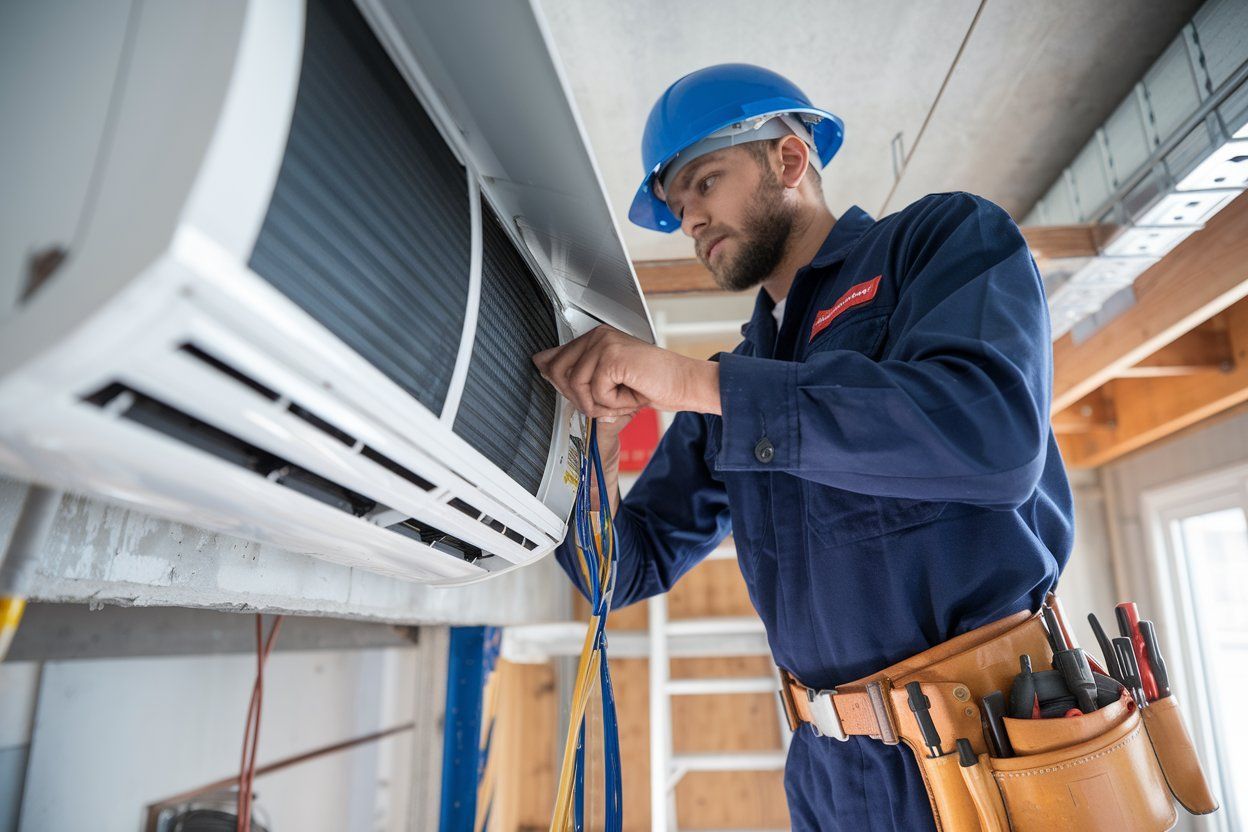
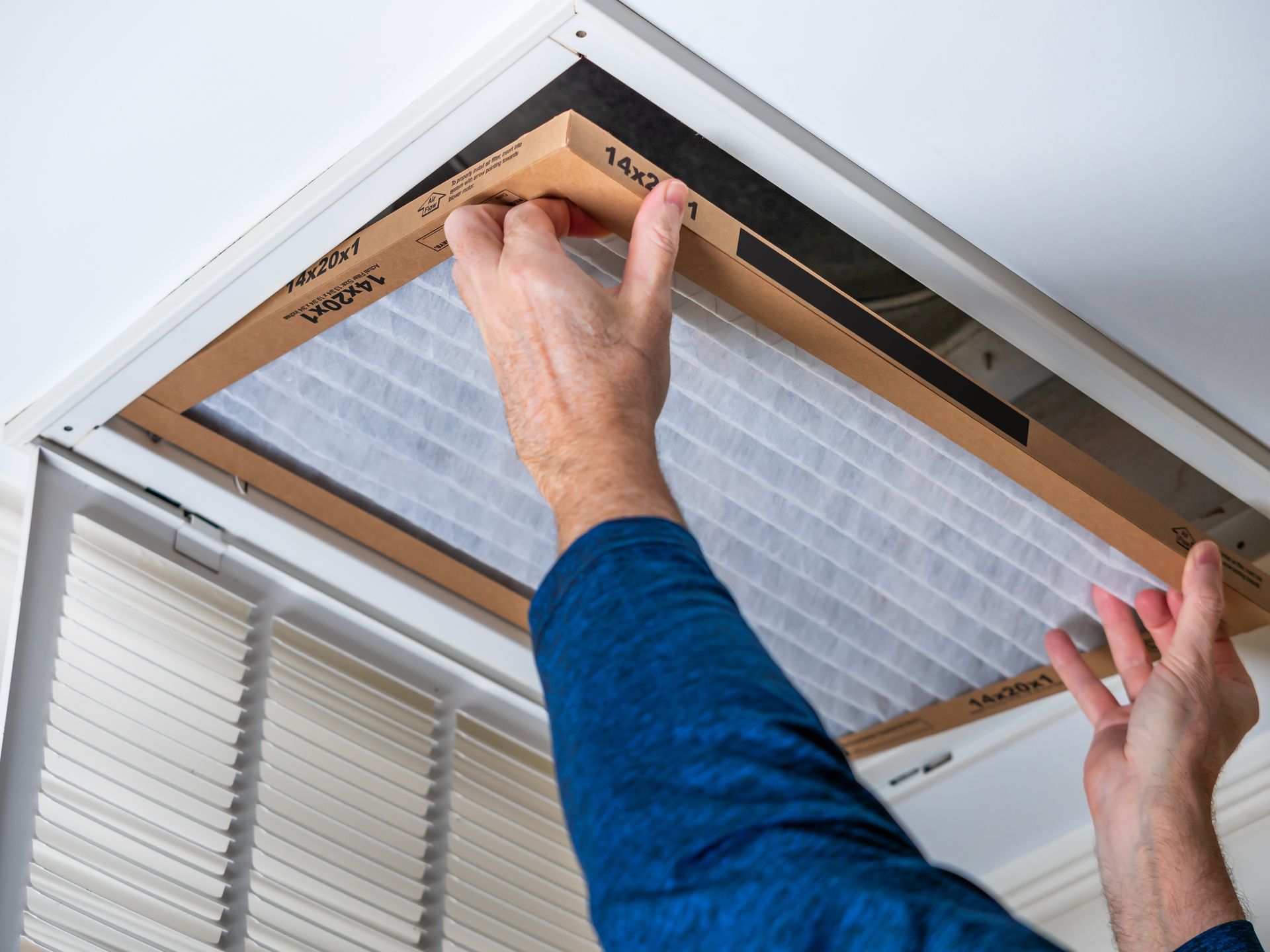
Ventilation Control and Temperature Regulation Setup Workflow
HVAC installation also includes ventilation control and temperature regulation setup designed to maintain steady airflow movement and indoor air stability. The process begins with evaluating air circulation needs and determining suitable equipment placement for balanced output. Duct channels are structured to support uninterrupted airflow distribution while reducing pressure inconsistencies. Refrigerant systems are integrated to manage heat exchange cycles efficiently, ensuring controlled temperature variation across connected areas in Chino Hills, CA.
Once structural layout is prepared, components are installed including air handlers, compressors, duct lines, and control interfaces. System wiring is connected to enable communication between thermostats and mechanical units. Airflow calibration is performed to ensure even distribution across all zones, followed by pressure testing and leakage inspection. Final adjustments are made to optimize ventilation flow and maintain consistent thermal regulation.
The system is then tested under operational conditions to confirm stable performance and reliable control response. Maintenance access points are also checked to support future servicing and adjustments. This process ensures structured airflow management and consistent temperature regulation throughout the installation setup handled by
Tai Chi Heating & Air Conditioning.