
HVAC Climate Control Systems and Airflow Management Solutions
Airflow balance and cooling system control for consistent indoor comfort
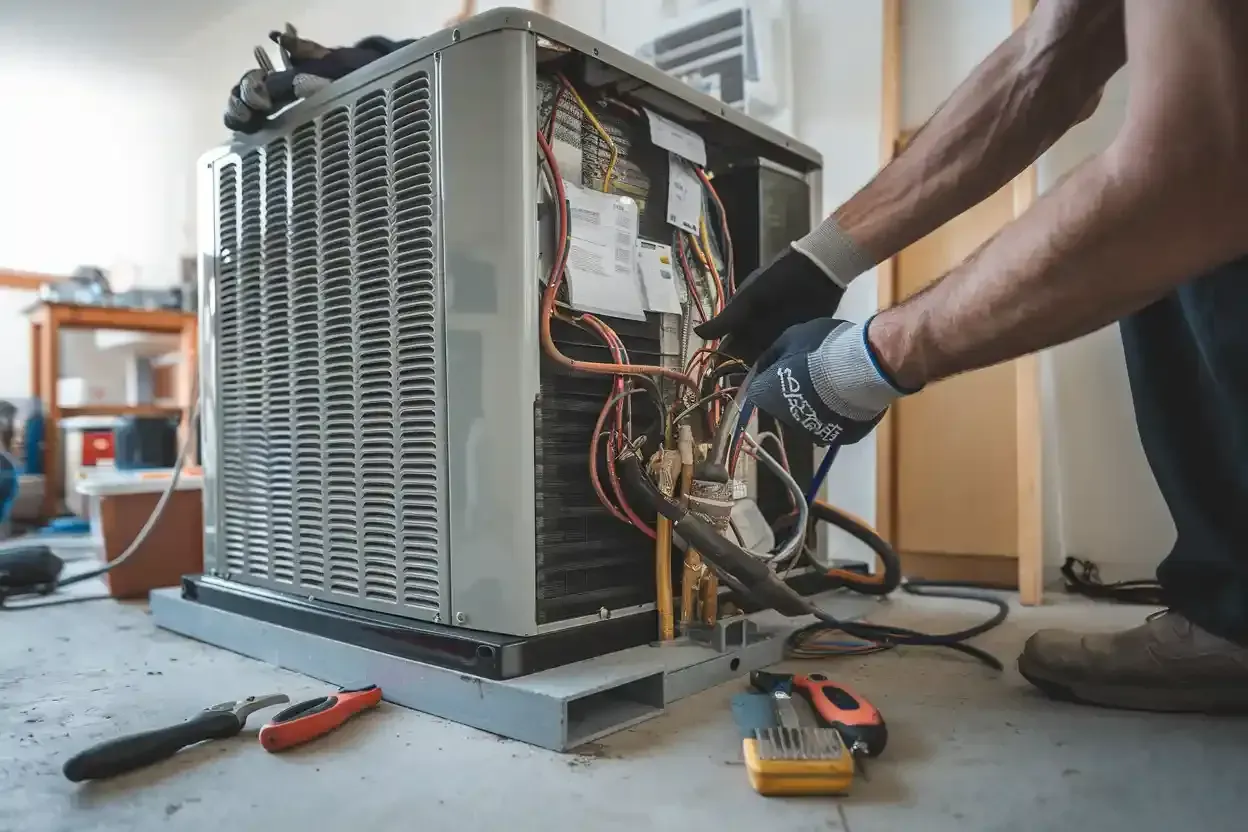
HVAC System Function and Operational Flow
HVAC systems manage heating, ventilation, and air movement to maintain steady indoor environmental conditions across different spaces. Tai Chi Heating & Air ConditioningBu in Chino Hills, CA works with system components that include compressors, coils, duct networks, fans, and control units. The process begins with air intake, where surrounding air is drawn into the system through return vents. This air passes through filtration stages that reduce dust and airborne particles before reaching temperature control sections. Cooling or airflow adjustment occurs as refrigerant cycles through coils, absorbing or releasing heat depending on the required condition. Once processed, air is distributed back through duct lines to maintain balanced circulation. Sensors and thermostats regulate this cycle by detecting temperature changes and triggering system adjustments. Proper calibration ensures stable airflow and reduces strain on components. Maintenance checks focus on identifying airflow restrictions, pressure inconsistencies, and worn mechanical parts. This system process supports consistent air movement and balanced environmental conditions without interruption. Regular evaluation of each stage improves efficiency and reduces the chance of sudden performance issues. HVAC systems rely on coordinated mechanical and electrical interaction, making structured maintenance important for long-term operation stability in different environments and usage demands.
System Care and Performance Factors
⚙️SystemInspection:Checkingductsandfiltersforblockagesandairflowissues
❄️CoolingCycleControl:Monitoringrefrigerantlevelsandtemperatureresponse
🌬️AirflowBalancing:Adjustingventstoensureevenairdistribution
🔧ComponentMaintenance:Reviewingfans,motors,andcontrolunitsforwear
🧪AirQualitySupport:Improvingfiltrationtoreduceairborneparticles
What sets the system apart is the ability to regulate multiple airflow stages while maintaining consistent internal conditions. This is important because stable airflow helps reduce energy strain and supports smoother equipment performance over time. Regular attention to system balance and airflow movement helps prevent uneven cooling or ventilation issues. In Chino Hills, CA,
Tai Chi Heating & Air Conditioning manages these service factors with structured steps that support steady operation across different environments. Each service stage contributes to system stability and reduces the chance of breakdowns caused by clogged ducts or unregulated cycles. Air quality support also plays a key role in maintaining cleaner circulation paths. Proper system care ensures that temperature changes respond correctly to control inputs.
(626) 720-5752
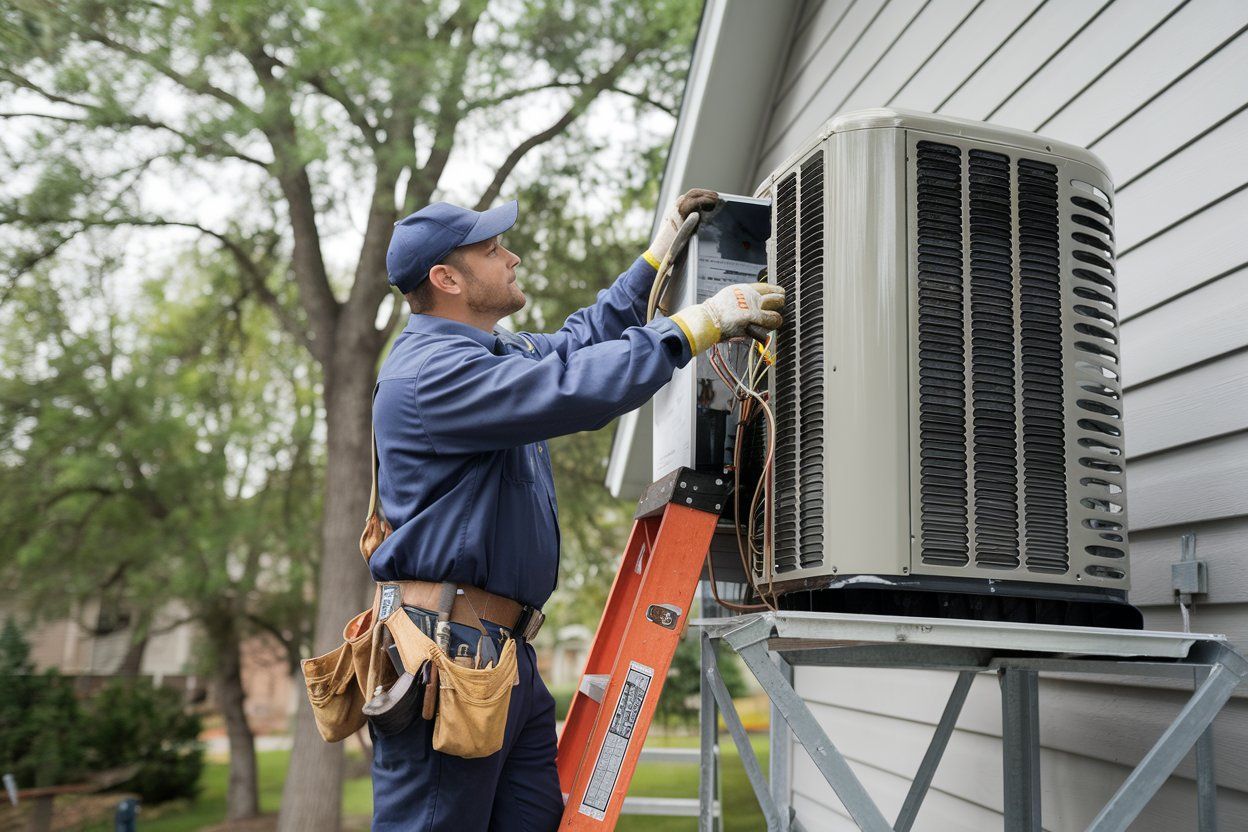
HVAC Component Operation and System Cycle Behavior
HVAC systems operate through a continuous cycle that manages air intake, conditioning, and redistribution. Air enters the system through return channels where initial filtering removes larger particles. After this stage, the air moves into conditioning units where heating or cooling adjustments occur depending on set requirements. The conditioned air is then directed through duct pathways that distribute it evenly across connected spaces. Control units monitor temperature readings and adjust system activity to maintain balance. In Chino Hills, CA,
Tai Chi Heating & Air ConditioningBu follows a structured approach to system evaluation, focusing on airflow consistency and cycle stability. Mechanical components such as compressors, fans, and valves work together to regulate pressure and airflow direction. Electrical controls ensure that signals are properly transmitted to maintain correct operation timing. Over time, dust buildup or worn parts can affect performance, making periodic assessment important. System behavior depends on smooth coordination between all components, and small imbalances can affect overall efficiency. Proper attention to each cycle stage supports steady airflow, reduced strain on equipment, and improved operational consistency across the entire HVAC system structure.